
Dear readers, do you know how many fern species grow in Brunei?
Until recently, nobody knew for sure. Now we have the answer: 364.
This is the result of the first checklist of the ferns and lycophytes of Brunei Darussalam—a complete inventory of the species known in the country. It may look like a simple list, but it is an essential tool: without knowing what is there and where it grows, it is impossible to study a
forest, protect it, or even tell its story.
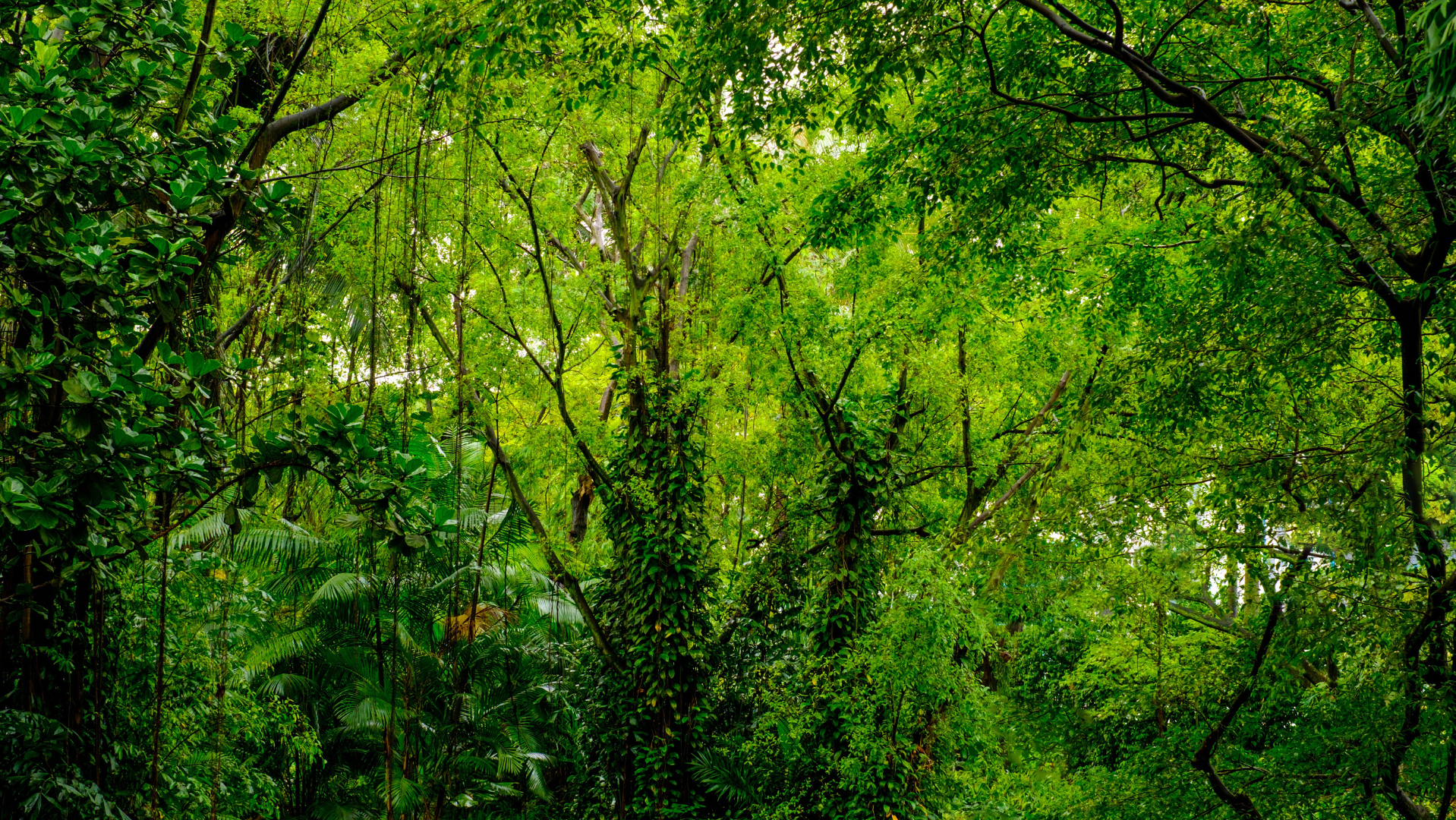
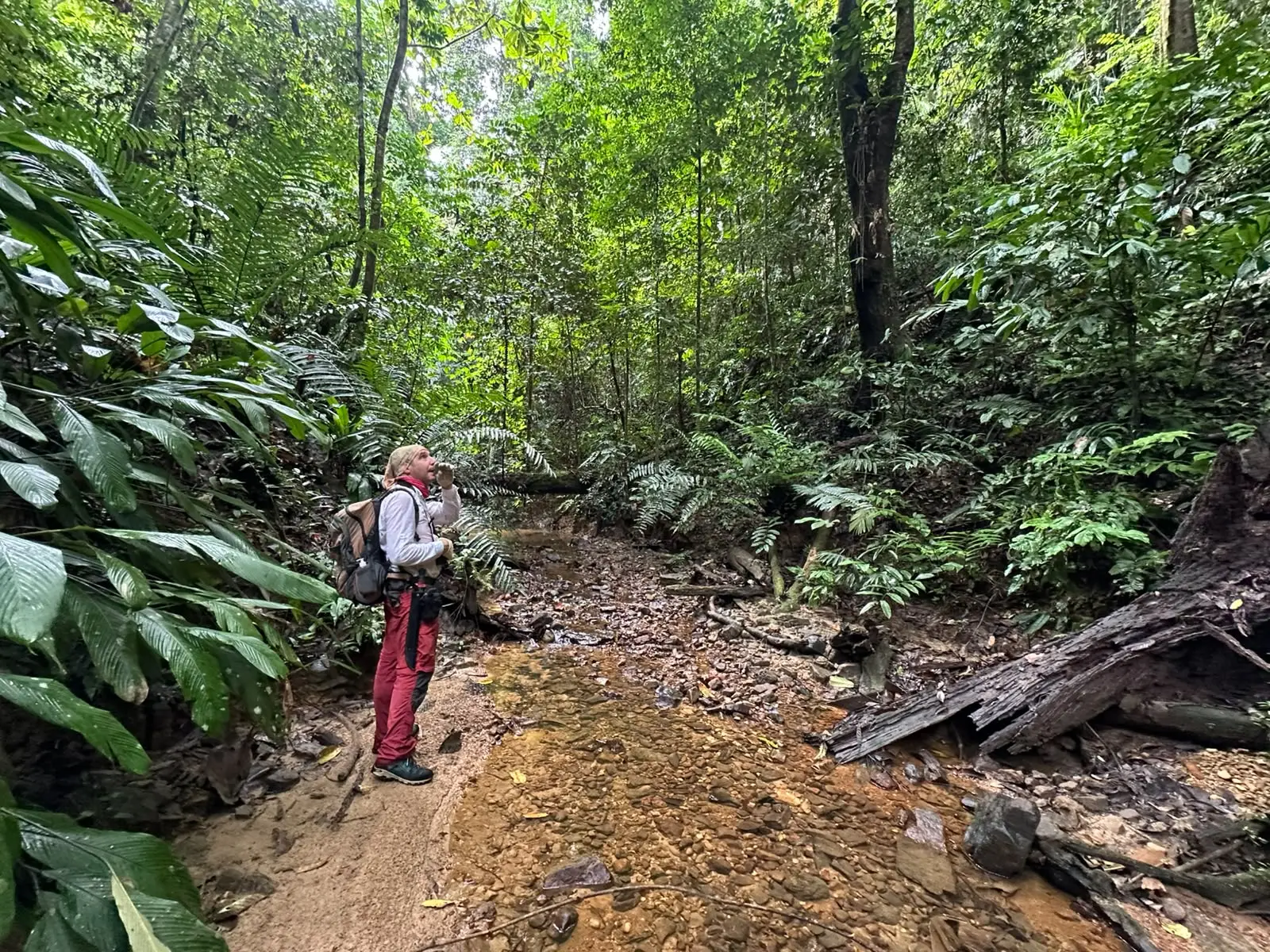
Brunei is a small country on the north coast of Borneo, covering just under 6,000 km². Yet almost 70% of its land is covered by seven different types of forest, ranging from mangroves and peat swamp forests to montane forests. This habitat diversity is what makes it so rich: roughly one in three of all fern species known from Borneo grows here!
To get there, we examined and re-identified, one by one, 1,921 specimens held in the National Herbarium of Brunei and in the Universiti Brunei Darussalam herbarium. The result: 364 species, 106 genera, and 32 families, representing about 10% of the country’s entire vascular flora. Of these, 47 are endemic to Borneo and four are found nowhere else on Earth but Brunei. For each species, we noted where it grows and whether it is common or rare; we considered rare
those collected fewer than five times in the country, and there are quite a few.
Do you think that’s all?
Fortunately, no. Along the way, five species new to science came to light, all belonging to the family Polypodiaceae and described by pteridologist Barbara Parris. Each name tells a story: Calymmodon minutus is tiny compared to its relatives and known from a single specimen collected at nearly 1,500 metres; Calymmodon rupicola grows on rocks, an unusual habit for its genus; Ctenopterella rivularis lives along streams in the Temburong River valley; Calymmodon ashtonii honours botanist Peter Ashton, who worked extensively in Brunei and Sarawak. Acrosorus pectinatus, whose name (“comb-like”) refers to its narrow, parallel pinnae, completes the group. Small, discreet plants that had remained unknown to science until now!
This work continues the studies begun by Dr David S. Edwards, a pioneer of Brunei fern research, who started the university herbarium’s collections in the 1980s.
The paper is open access in Webbia:
And for a lighter way to explore the work:
Authors: Daniele Cicuzza, Joffre Ali Ahmad, Barbara Parris, Sebastian C. Wong, and Khoon Meng Wong.